SV Farms USA, NC online store – Your One-Stop Destination for Ornamental and Rare Sacred Plants.
.png.png)
We are excited to introduce SV Farms USA, North Carolina, your local community farm dedicated to bringing fresh Indian vegetables and beautiful ornamental plants closer to you.
Our mission is to support the community with locally grown produce, traditional Indian vegetables, and unique plants that bring beauty, culture, and greenery to every home and garden.
We offer a variety of Indian vegetables along with ornamental and sacred plants such as Parijatam, Bilva Patra, Indian Banana, Brahma Kamalam, and more.
As some plants and seasonal vegetables are limited in supply, we encourage you to reserve your desired items through our website. You will receive a confirmation once your order is ready for pickup.
Thank you for supporting SV Farms USA and local farmers as we grow together toward a healthier, greener, and stronger community!
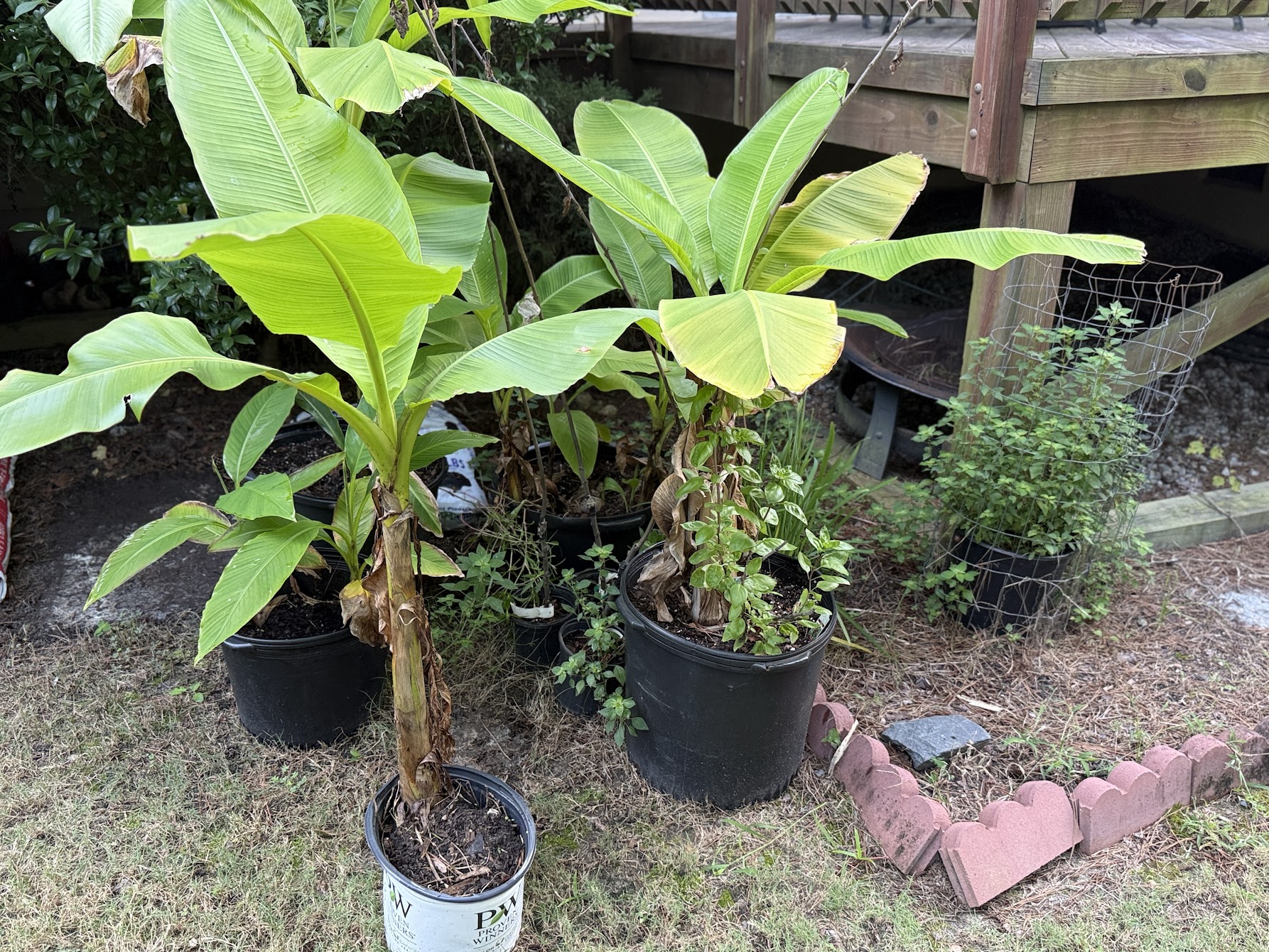
Banana Plant
Banana Plant for Sale 🌿🍌
Bring a tropical look to your home or garden with a healthy banana plant (Musa)—fast-growing, lush, and easy to care for in warm weather. It produces big, green leaves that create instant greenery and shade. Great for backyards, patios, and landscaping, and also grows well in a large pot.
Banana Juice benefits
Highlights
-
Fast-growing plant with large, attractive leaves
-
Perfect for tropical garden theme & privacy screening
-
Can be grown in ground or container
-
Likes sunlight + regular watering
-
Best growth in warm climates (protect from cold/frost)
Care (simple)
-
Sun: Full sun to partial shade
-
Water: Keep soil evenly moist (don’t let it dry out fully)
-
Soil: Well-draining, rich soil (compost helps)
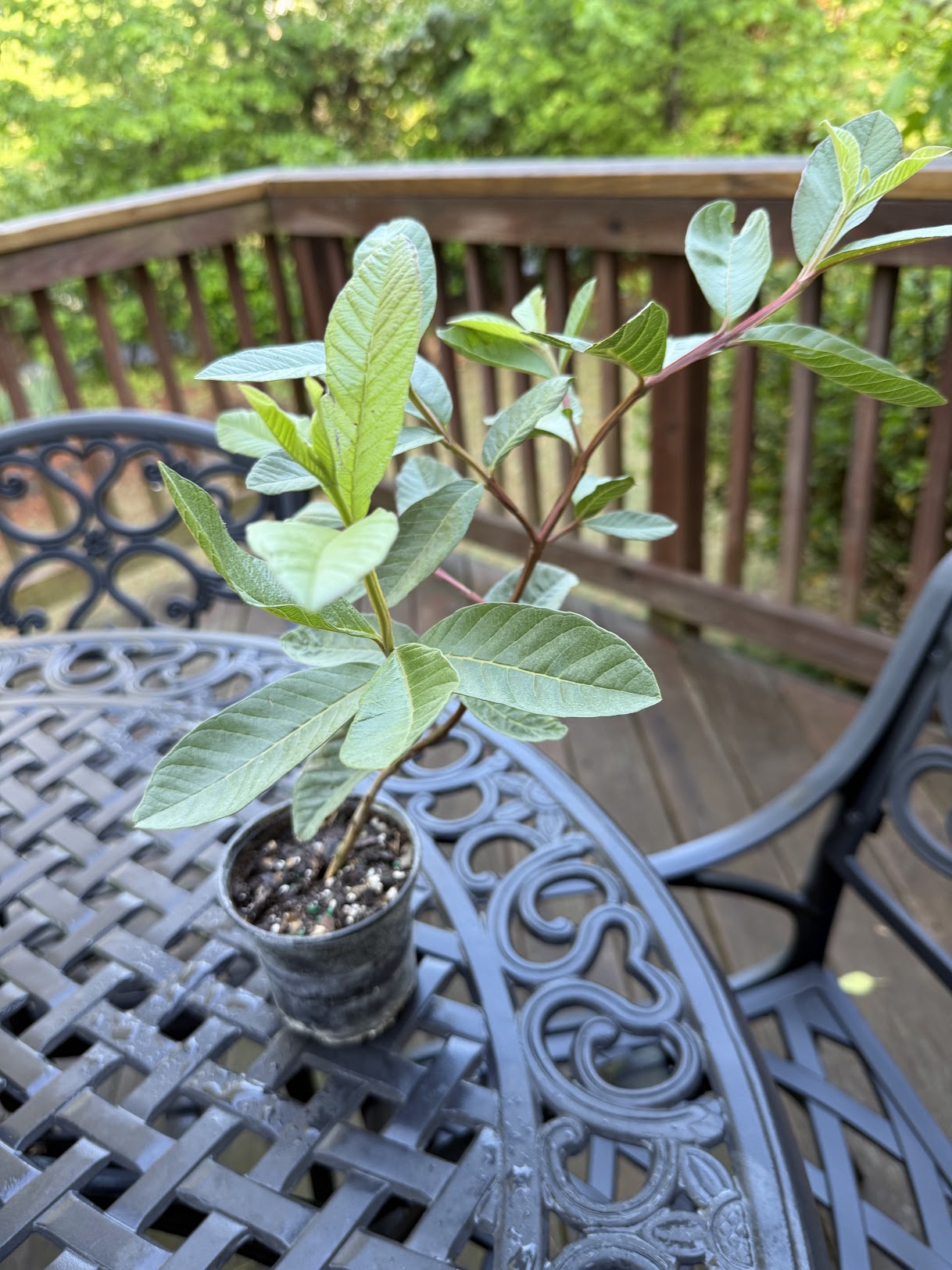
Guava Plant
Guava Plant (Psidium guajava)
Guava, known as "Jama" in Hindi and "Jammakaya" in Telugu, is a tropical fruit-bearing tree native to Central America and now widely grown across India and other tropical regions. Botanically named Psidium guajava, the guava plant is prized for its nutritious fruit, medicinal value, and ease of cultivation in home gardens and orchards.
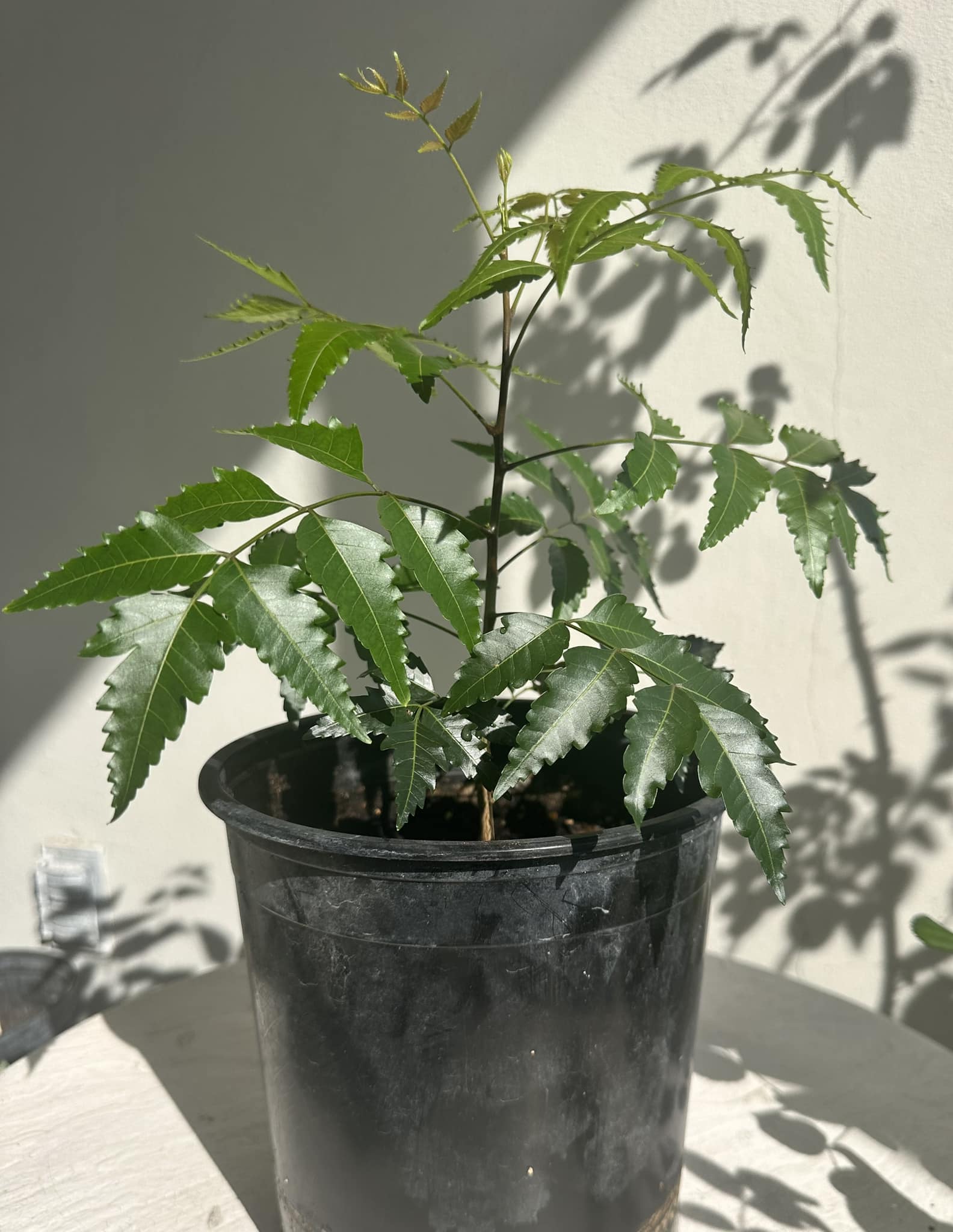
Neem Plant
Neem Plant (Azadirachta indica)
Neem, known as “Vepa” in Telugu, “Nimba” in Sanskrit, and “Neem” in Hindi, is one of India’s most revered trees for its medicinal, agricultural, and spiritual value. Botanically known as Azadirachta indica, Neem is called the “Village Pharmacy” or “Sarva Roga Nivarini” (remedy for all diseases) in Ayurveda.
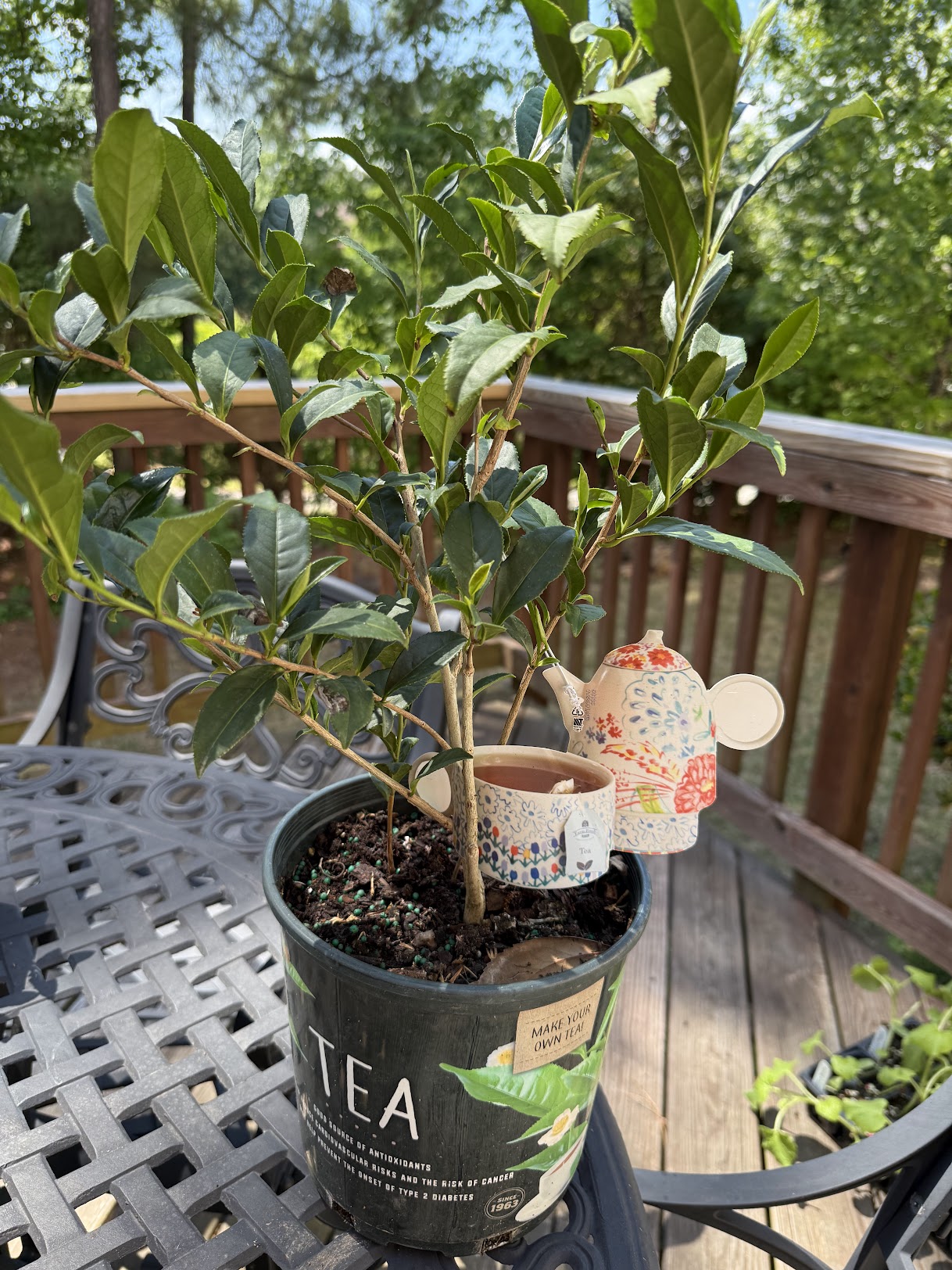
Tea leaves Plant
Tea Plant (Camellia sinensis)
The Tea plant, scientifically known as Camellia sinensis, is a small evergreen shrub native to East Asia and widely cultivated for producing the world’s most popular beverage — tea. From this single plant species, we get green tea, black tea, white tea, and oolong tea, depending on how the leaves are processed.
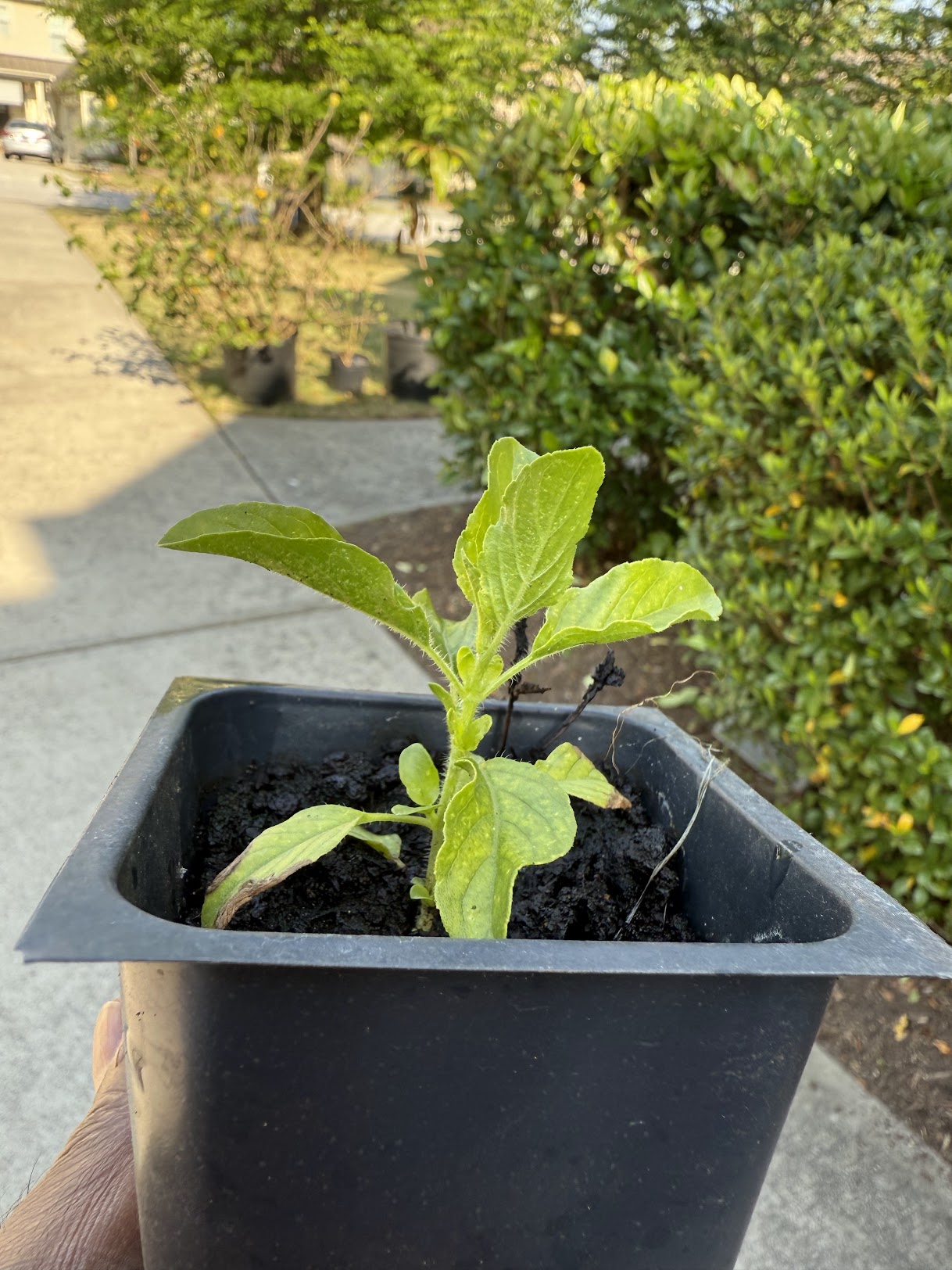
Rama Tulasi
Tulasi (Ocimum tenuiflorum / Holy Basil)
Tulasi, also known as Holy Basil, is one of the most sacred and revered plants in Hindu tradition. Botanically named Ocimum tenuiflorum (or Ocimum sanctum), it is known as "Tulasi" in Sanskrit, "Tulasi Aaku" in Telugu, "Tulsi" in Hindi, and is worshipped as a manifestation of the goddess Lakshmi and beloved to Lord Vishnu.
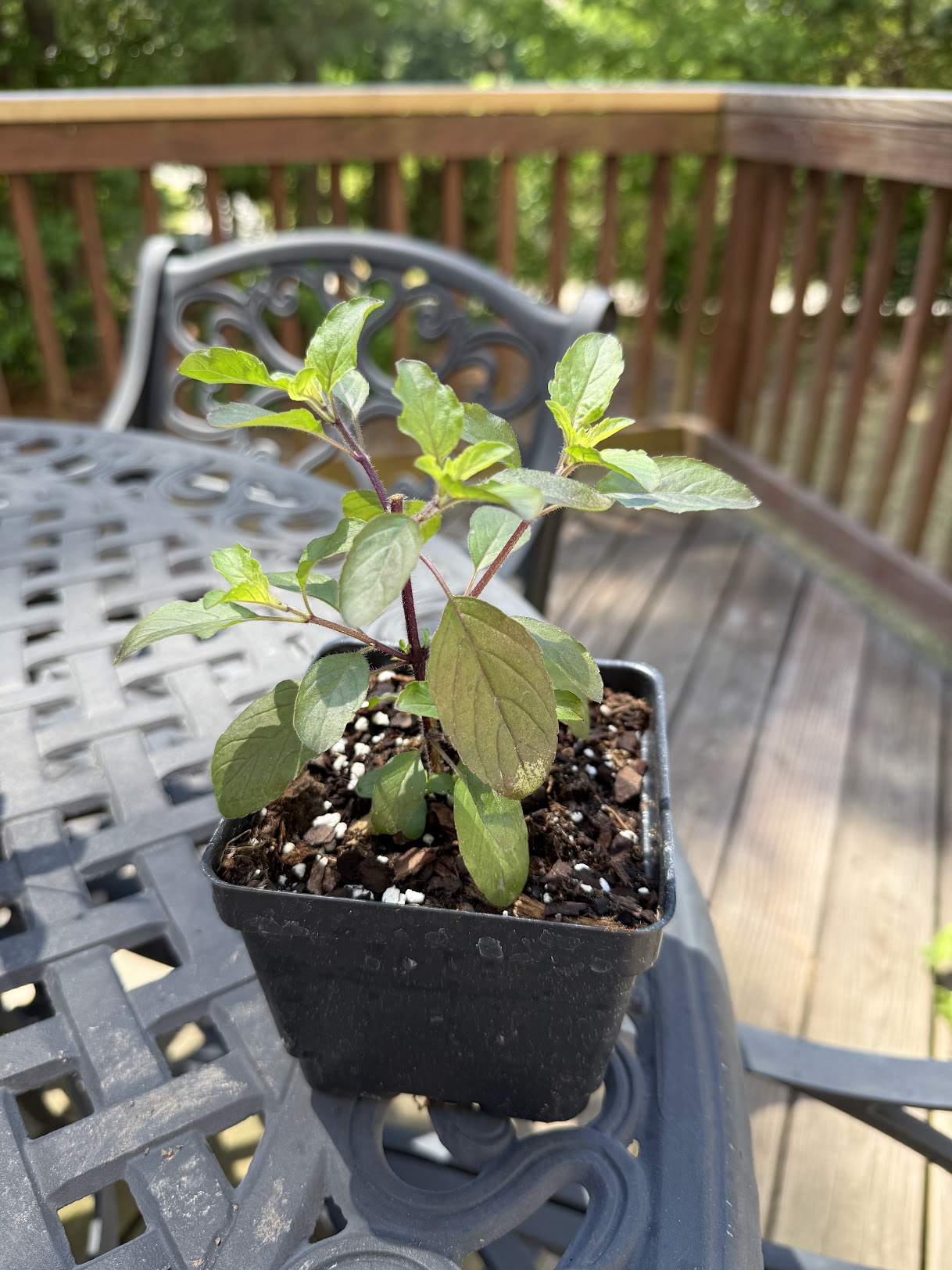
Krishna Tulasi
Krishna Tulasi (Ocimum tenuiflorum – Dark Holy Basil)
Krishna Tulasi, also known as Shyama Tulasi, is a sacred variety of Ocimum tenuiflorum (Holy Basil) distinguished by its dark purple leaves and stems. Deeply revered in Hinduism, it is associated with Lord Krishna—hence the name—and symbolizes spiritual strength, devotion, and protection.
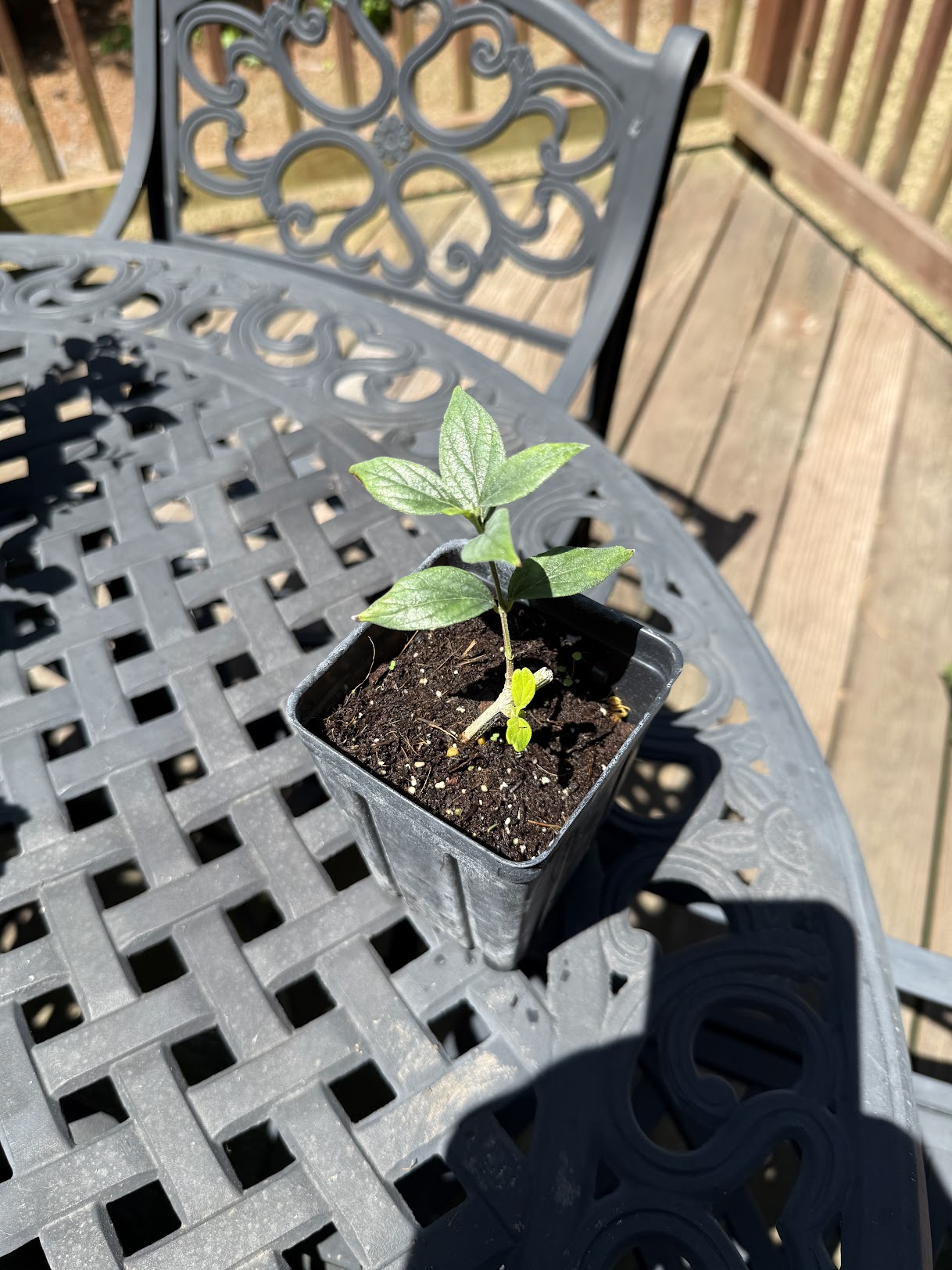
Parijatam Small
Parijatam (Nyctanthes arbor-tristis)
Parijatam, also known as Night-flowering Jasmine or Harshringar, is a sacred and fragrant flowering plant deeply revered in Indian culture, mythology, and Ayurveda. Botanically named Nyctanthes arbor-tristis, which means “the sad tree,” it gets this name because its flowers bloom joyfully at night but fall to the ground by morning, creating a fragrant, carpet-like layer beneath the tree.
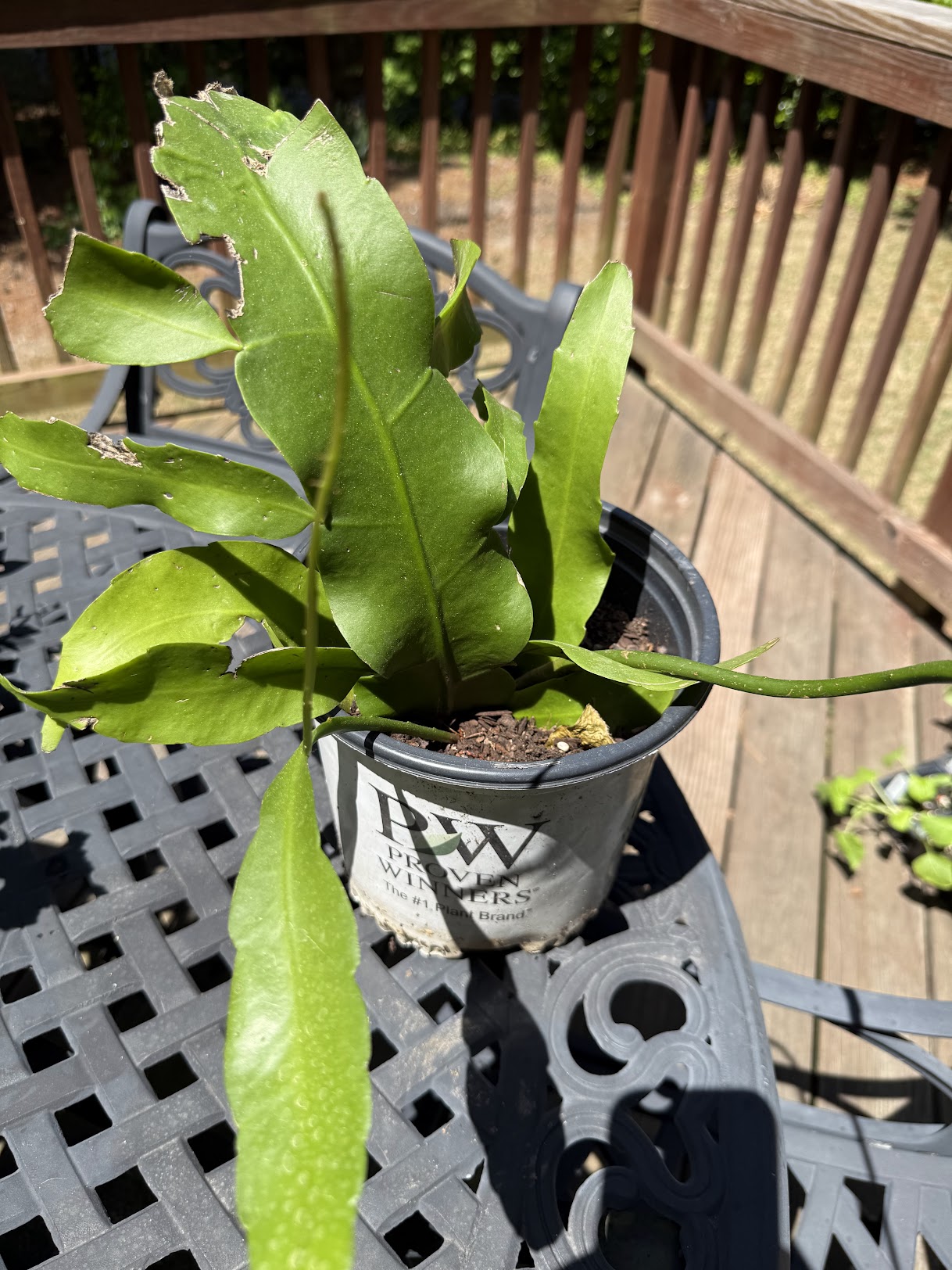
Brahma Kamalam
Brahma Kamalam (Saussurea obvallata / Epiphyllum oxypetalum)
Brahma Kamalam, often referred to as the "Flower of the Gods", is a rare and revered flower in Indian tradition. There are two plants commonly referred to as Brahma Kamalam:
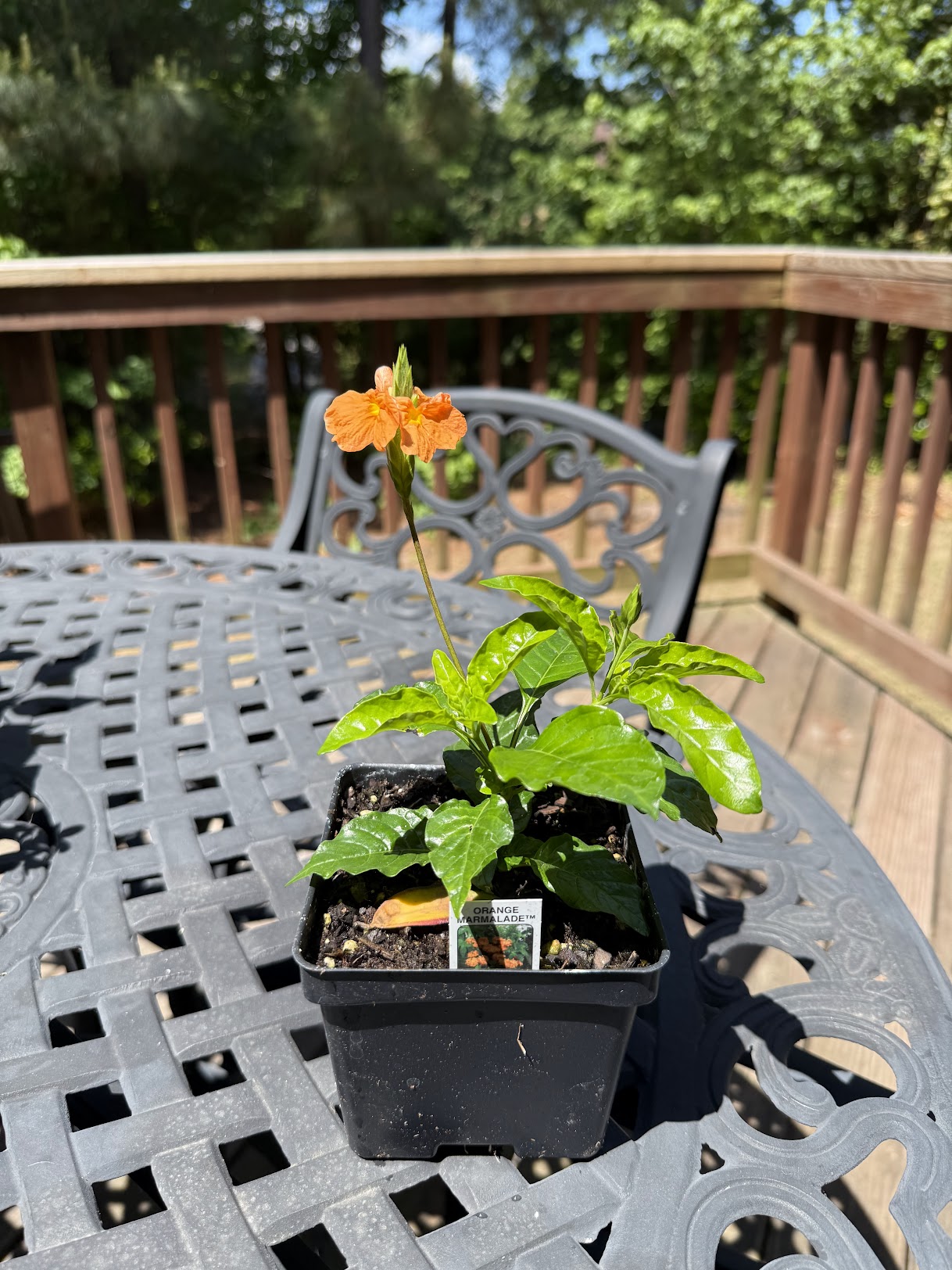
Kanakambaram Orange
Kanakambaram (Crossandra infundibuliformis) Kanakambaram, also known as Crossandra or Firecracker Flower, is a tropical flowering plant cherished across South India for its bright orange, salmon, or red flowers. The name “Kanakambaram” comes from Sanskrit roots meaning “golden bloom,” and the flowers are often used in hair adornments, temple offerings, and festive garlands, especially in Tamil and Telugu cultures.
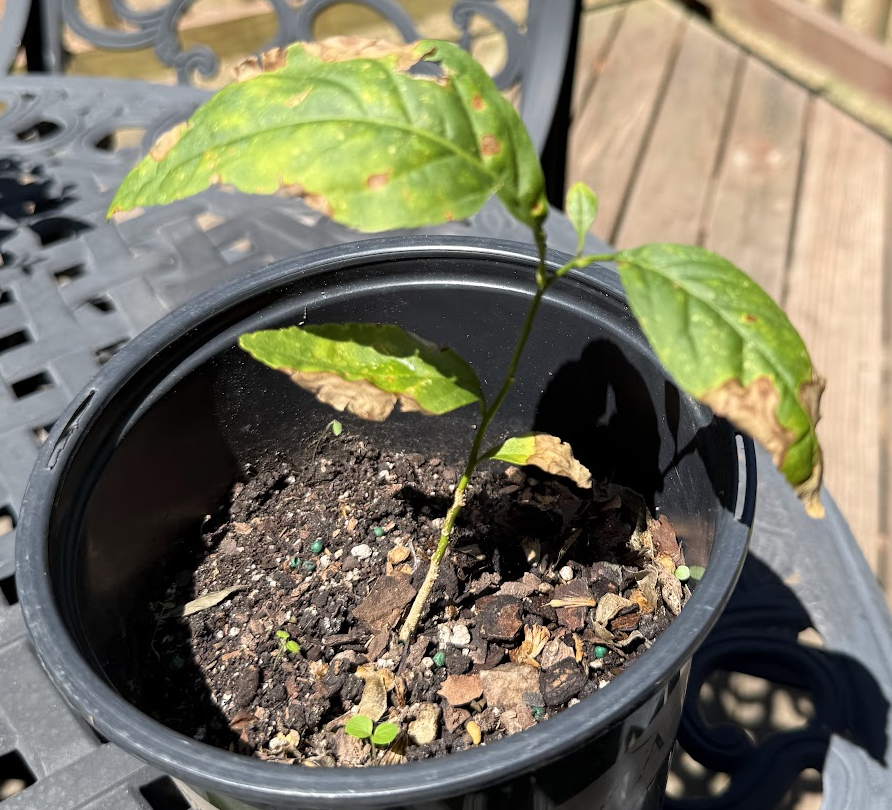
Bilva-Patram
Bilvapatram (Bael Leaves – Aegle marmelos) Bilvapatram, the sacred Bael leaf, comes from the tree Aegle marmelos and holds deep religious, medicinal, and spiritual significance in Indian culture, especially in Hinduism. Known as Bilva, Bel, or Sriphalam, and in Telugu as బిల్వపత్రం (Bilvapatram), the trifoliate leaf (with three leaflets) is most revered as a sacred offering to Lord Shiva.
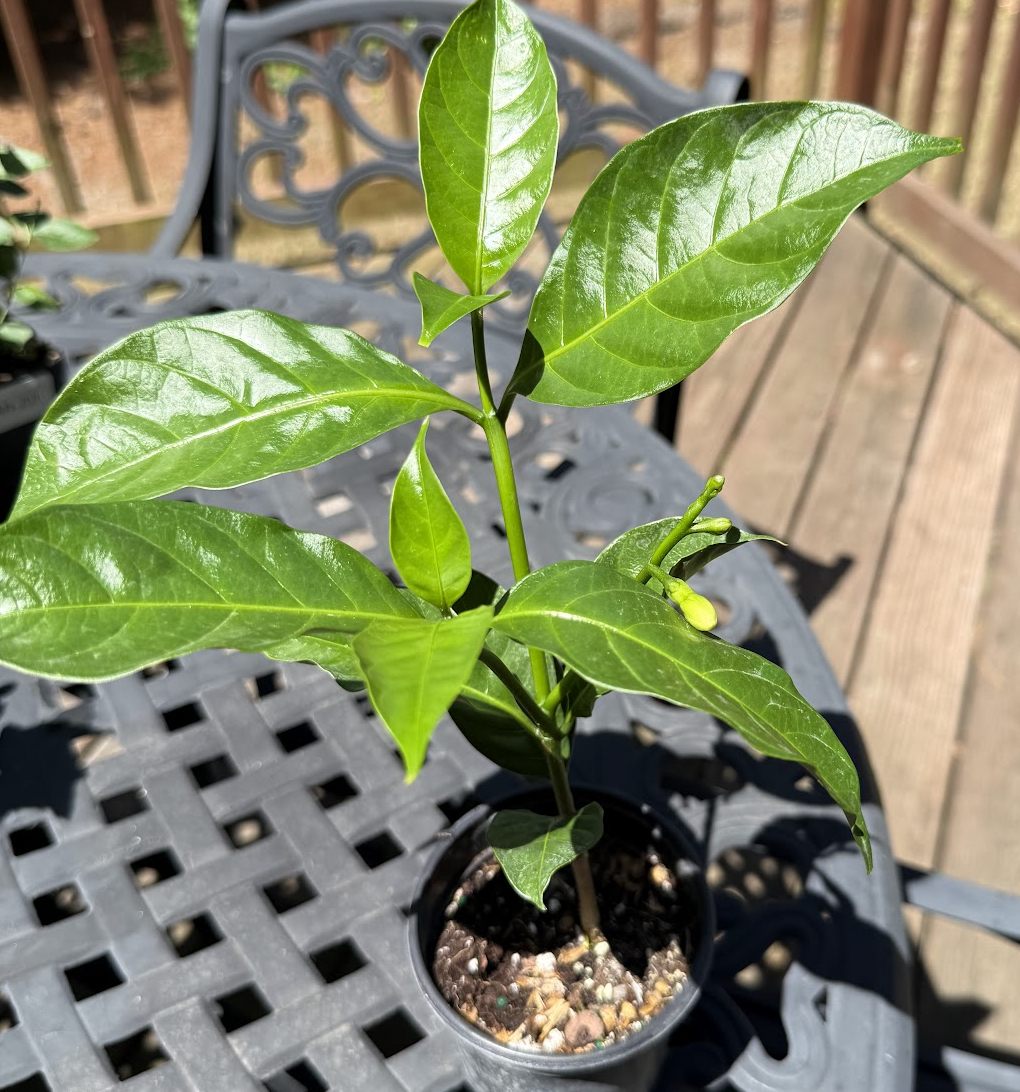
Nandi Vardhanam
Nandivardhanam (Tabernaemontana divaricata) Nandivardhanam, also known as East Indian Rosebay or Ceylon Jasmine, is a beautiful, evergreen flowering shrub scientifically called Tabernaemontana divaricata. In Telugu, it's known as నందివర్ధనం (Nandivardhanam), in Tamil as Nandhiyavattai, and in Hindi as Tagar or Chandni. This plant is revered for its pure white, pinwheel-shaped flowers, glossy green leaves, and spiritual symbolism.
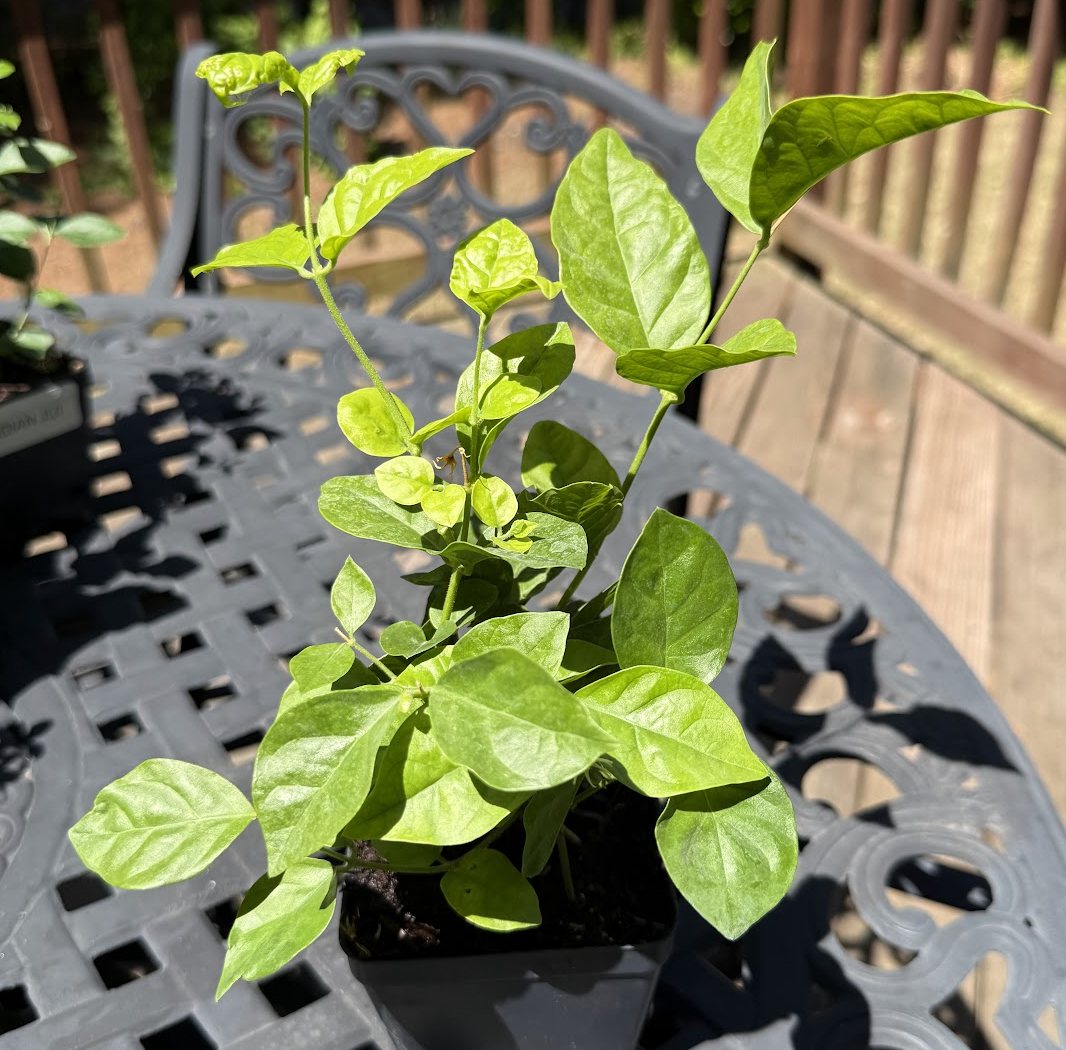
Arabian Jasmine
Arabian Jasmine (Jasminum sambac) Arabian Jasmine, botanically known as Jasminum sambac, is a small, evergreen shrub or climber renowned for its intensely fragrant white flowers. Commonly called “Mogra” in Hindi, “Mallige” in Kannada, “Malli Puvvu” in Telugu, and “Mullai” in Tamil, it holds a special place in Indian culture, tradition, and worship.
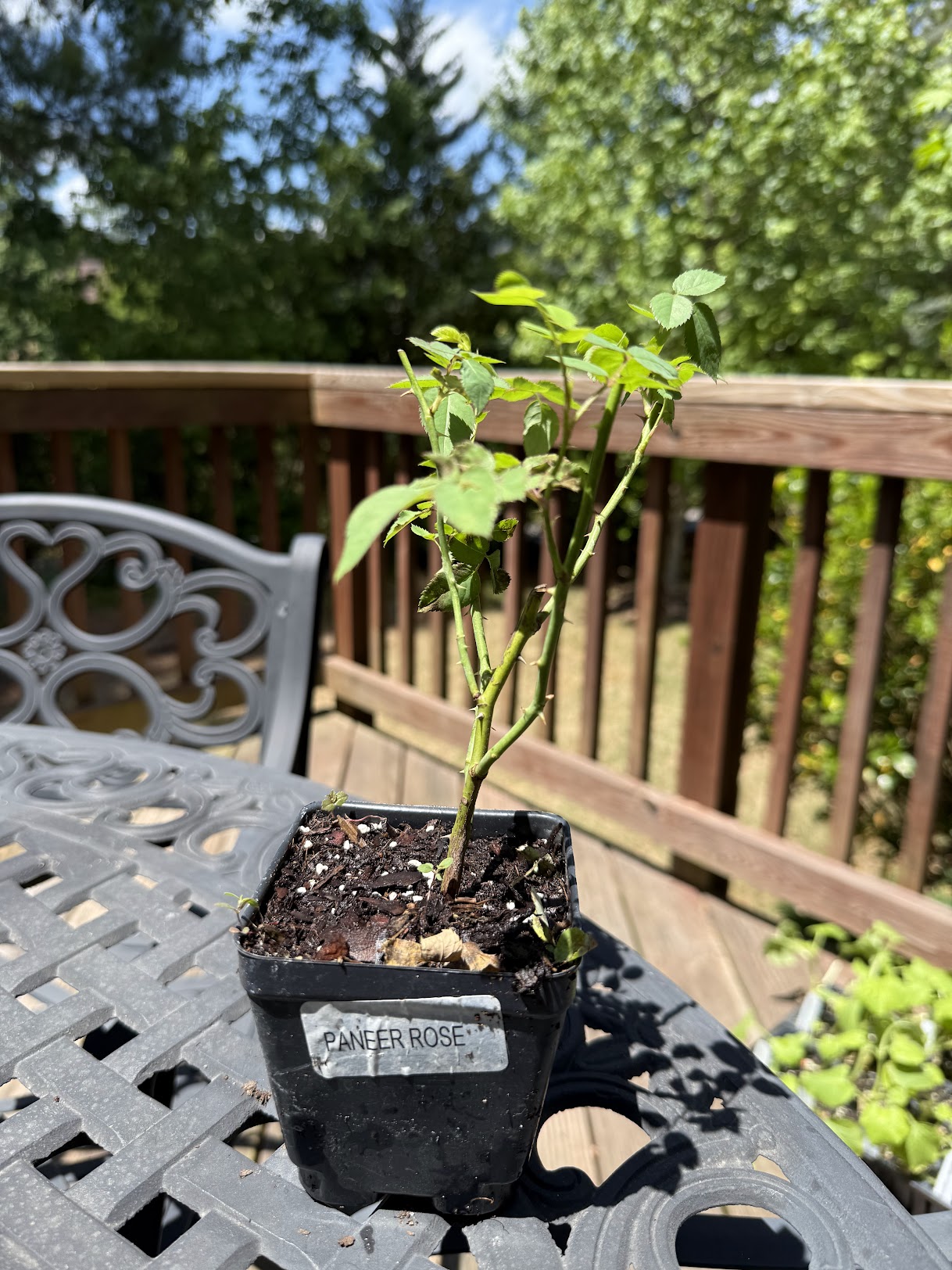
Paneer Rose
Paneer Rose ( Rosa × damascena or Rosa centifolia) Paneer Rose, also known as Indian Rose, is a fragrant variety of rose cherished in South India, especially Tamil Nadu and Andhra Pradesh, for its intensely sweet scent and multiple layers of soft pink petals. Known locally as “Paneer Roja” in Tamil and “Gulabi Poovu” in Telugu, this rose is widely used in worship, garlands, attar (rose water) production, and traditional herbal remedies.
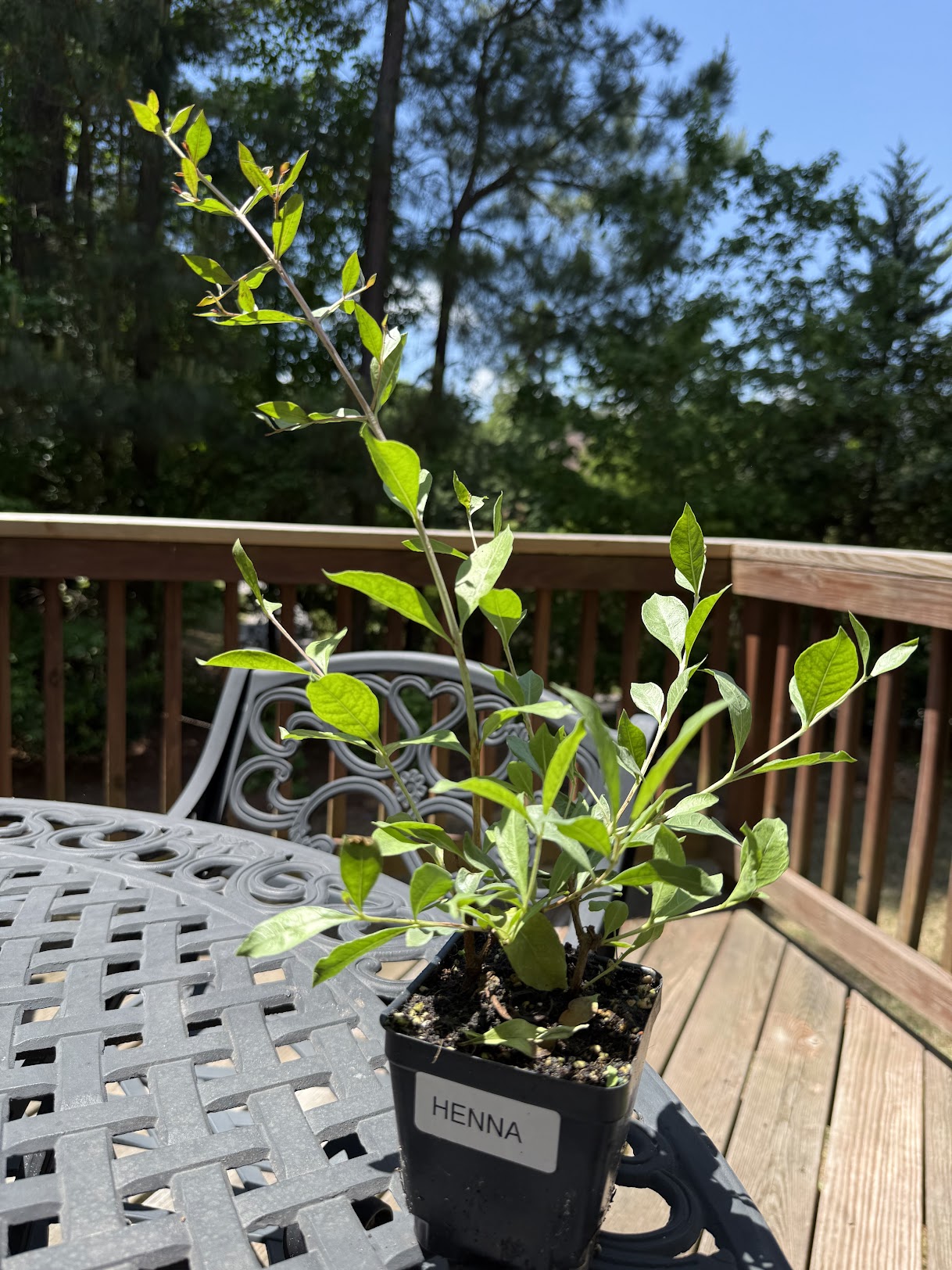
Henna Plant
Henna (Lawsonia inermis) The Henna plant, known scientifically as Lawsonia inermis and called “Mehndi” in Hindi and “Gorintaku” in Telugu, is a flowering shrub famous for its leaves, which are used to produce natural dye. This dye is traditionally applied as body art, especially during weddings and festivals in South Asia, the Middle East, and North Africa. Henna is also used to color hair, nails, and textiles.
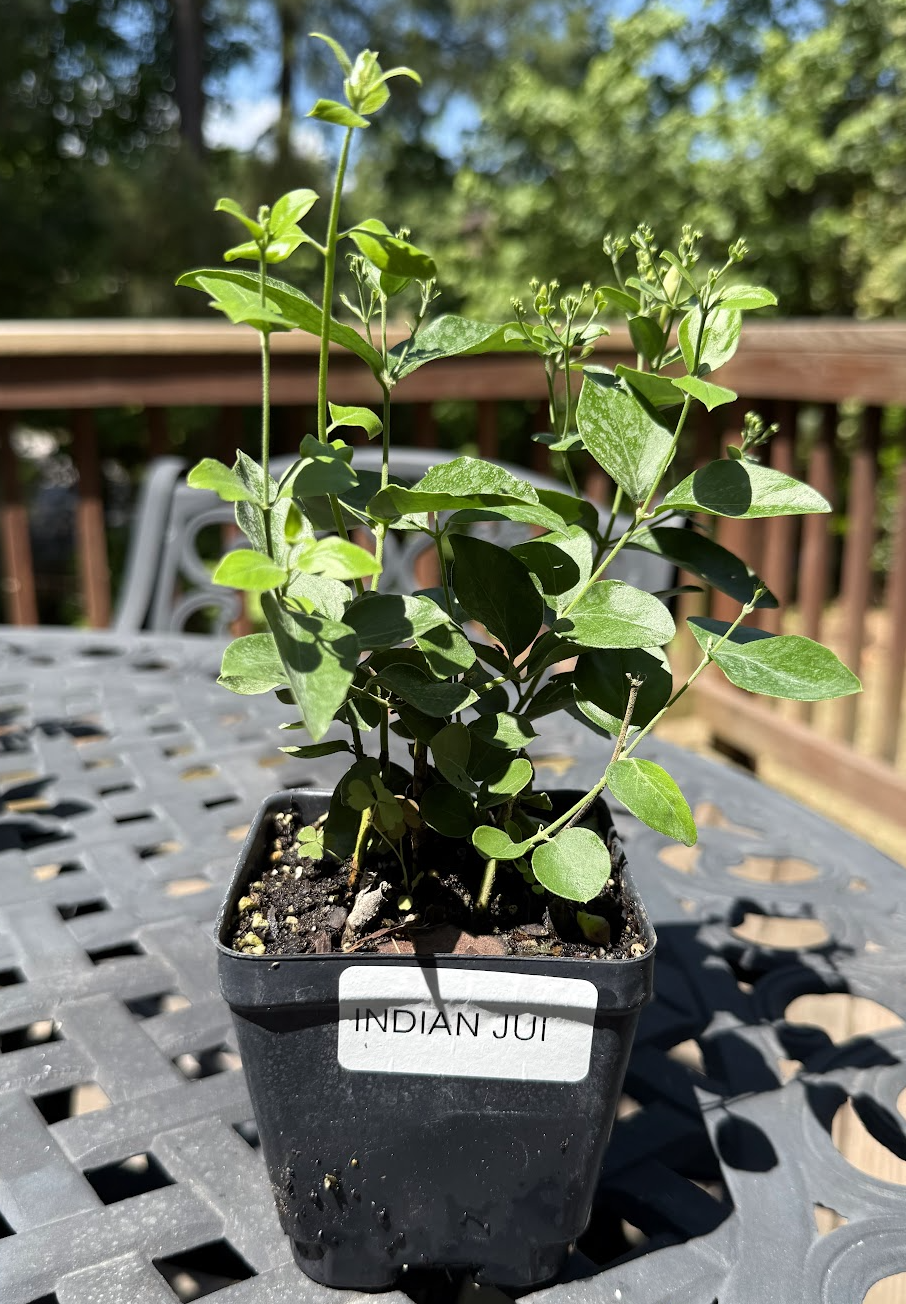
Jui Jasmine
Jui (Jasminum auriculatum) – Indian Jasmine Jui, also known as Indian Jasmine or Jasminum auriculatum, is a fragrant flowering shrub beloved across India for its intensely aromatic white blossoms. It is commonly called “Jui” in Bengali, “Juhi” in Hindi, and is a sacred and ornamental plant.
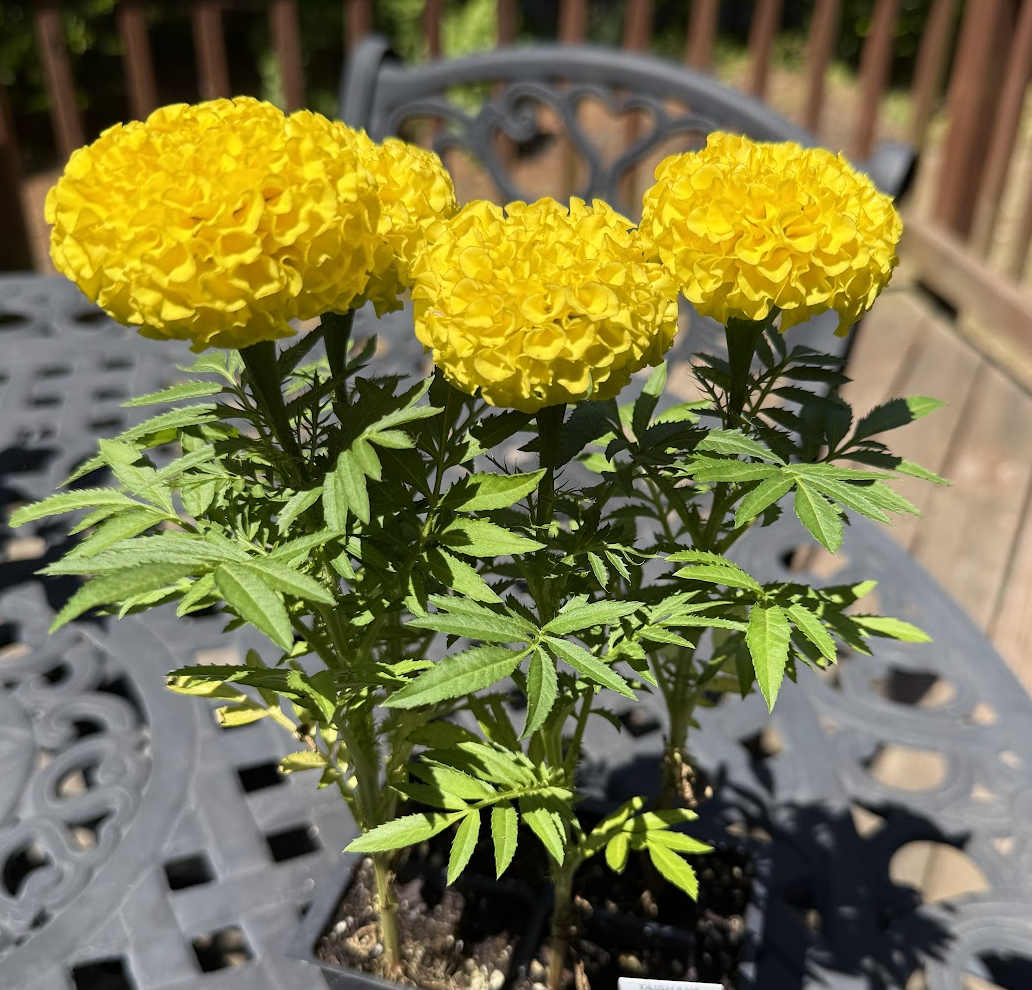
Marigold Yellow
Local gardners raised Marigold.
Marigold is a bright, cheerful flowering plant widely grown for its vibrant golden-yellow, orange, and red blooms. Belonging to the Asteraceae family, marigolds are native to the Americas but are now popular across India and many other countries for their ornamental, religious, and medicinal value. In India, marigolds (commonly known as “Genda” in Hindi and “Banthi Puvvu” in Telugu) are an essential part of festivals, temple rituals, garlands, and decorations.
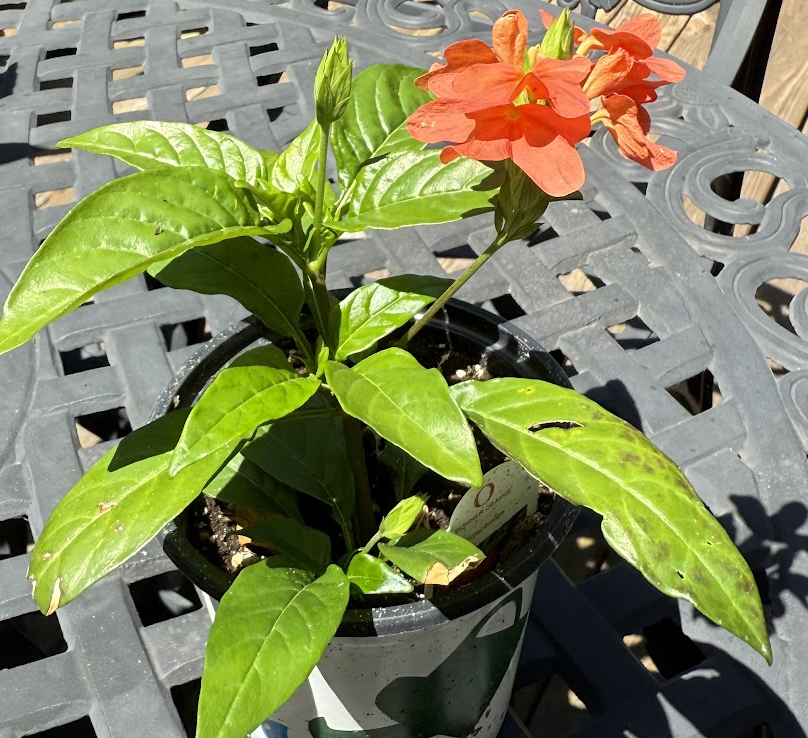
Kanakambram ( Red)
Kanakambaram (Crossandra infundibuliformis) Kanakambaram, also known as Crossandra or Firecracker Flower, is a tropical flowering plant cherished across South India for its bright orange, salmon, or red flowers. The name “Kanakambaram” comes from Sanskrit roots meaning “golden bloom,” and the flowers are often used in hair adornments, temple offerings, and festive garlands, especially in Tamil and Telugu cultures.
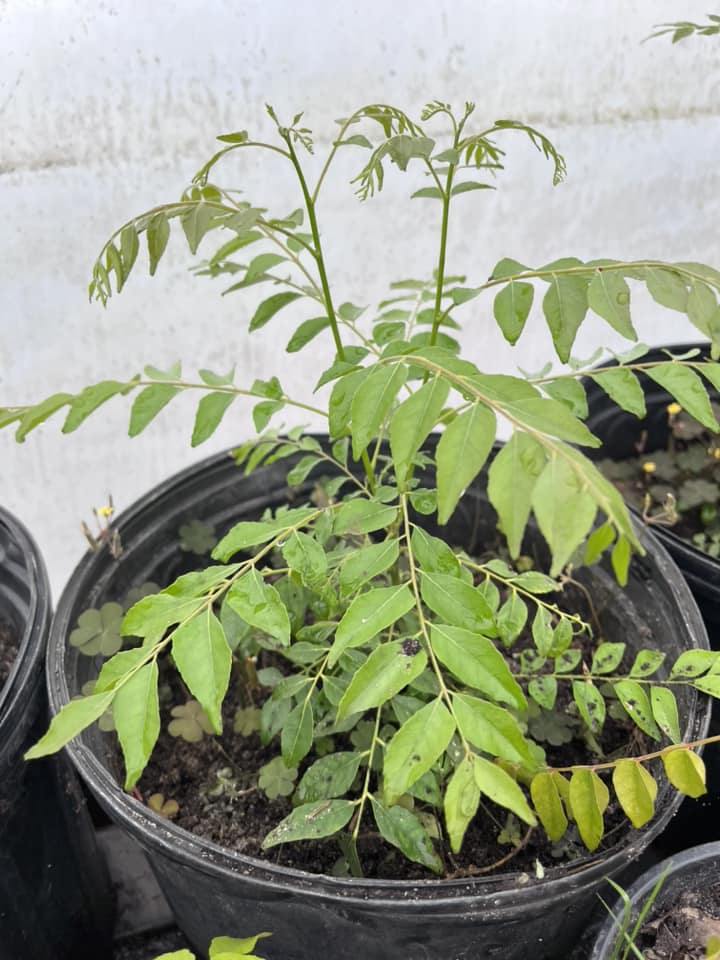
Curry Leaves plant
Curry Leaves (Murraya koenigii) Curry leaves are aromatic herbs native to the Indian subcontinent, widely used in South Asian cooking for their distinct, citrusy flavor. These glossy, dark green leaves come from the curry tree, a small tropical to subtropical tree in the Rutaceae (citrus) family. Often added to hot oil at the beginning of cooking, curry leaves release a rich fragrance that forms the flavor base for many South Indian, Sri Lankan, and Southeast Asian dishes like curries, dals, chutneys, and rice preparations.
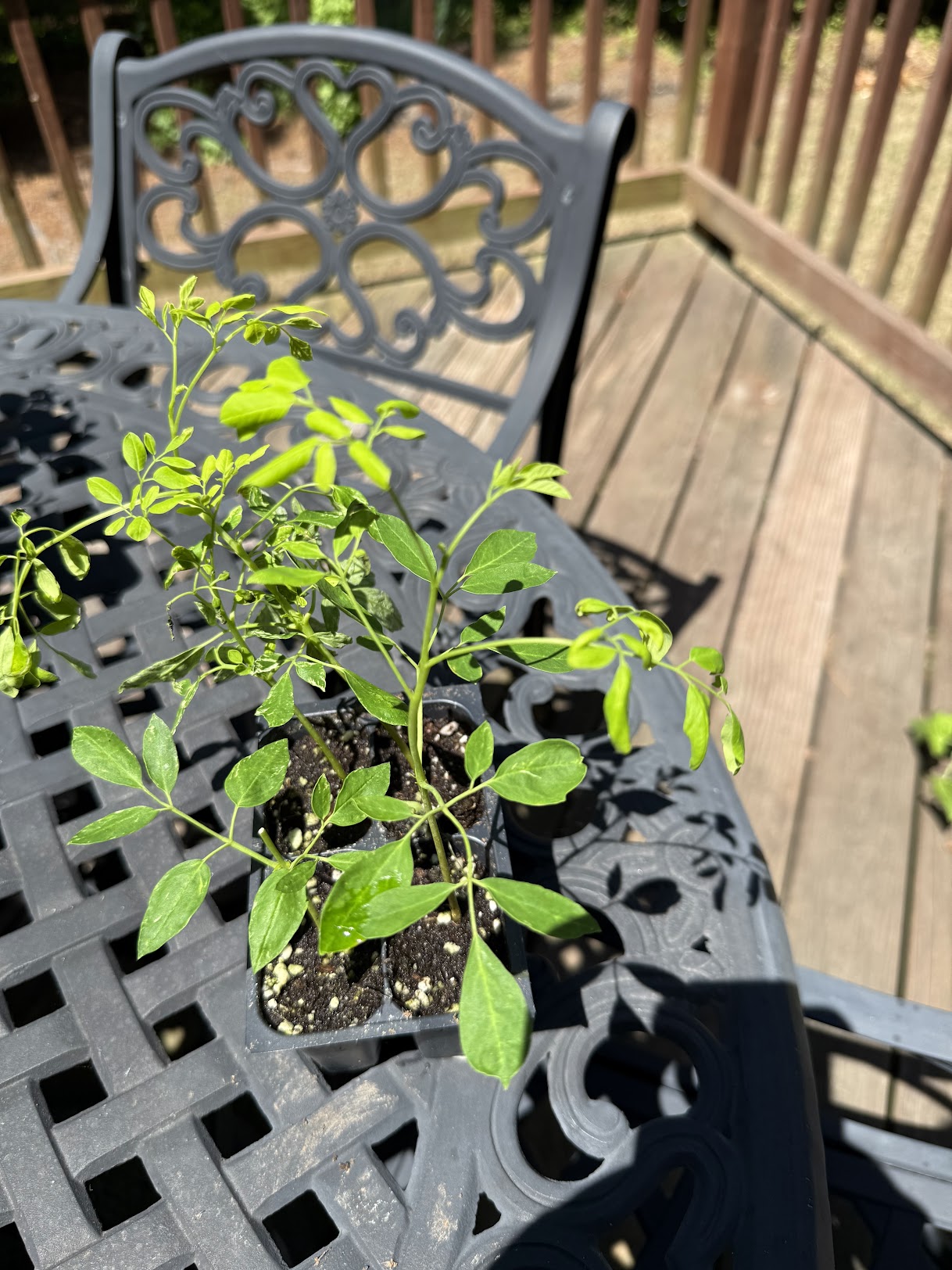
Moringa
Moringa (Moringa oleifera) Moringa, often called the "drumstick tree", "miracle tree", or "tree of life", is a fast-growing, drought-resistant tree native to the Indian subcontinent and widely cultivated in tropical and subtropical regions around the world. Almost every part of the moringa tree—leaves, pods, seeds, flowers, and roots—is edible and rich in nutrients, making it a vital food and medicinal plant in many cultures.
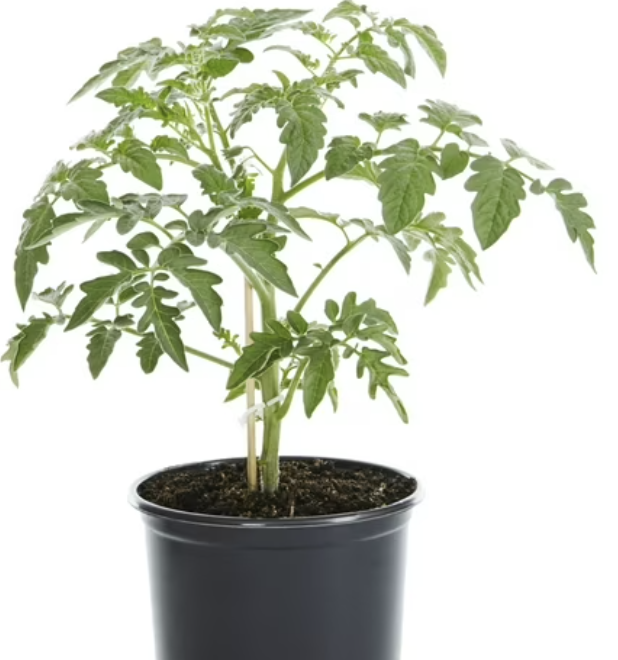
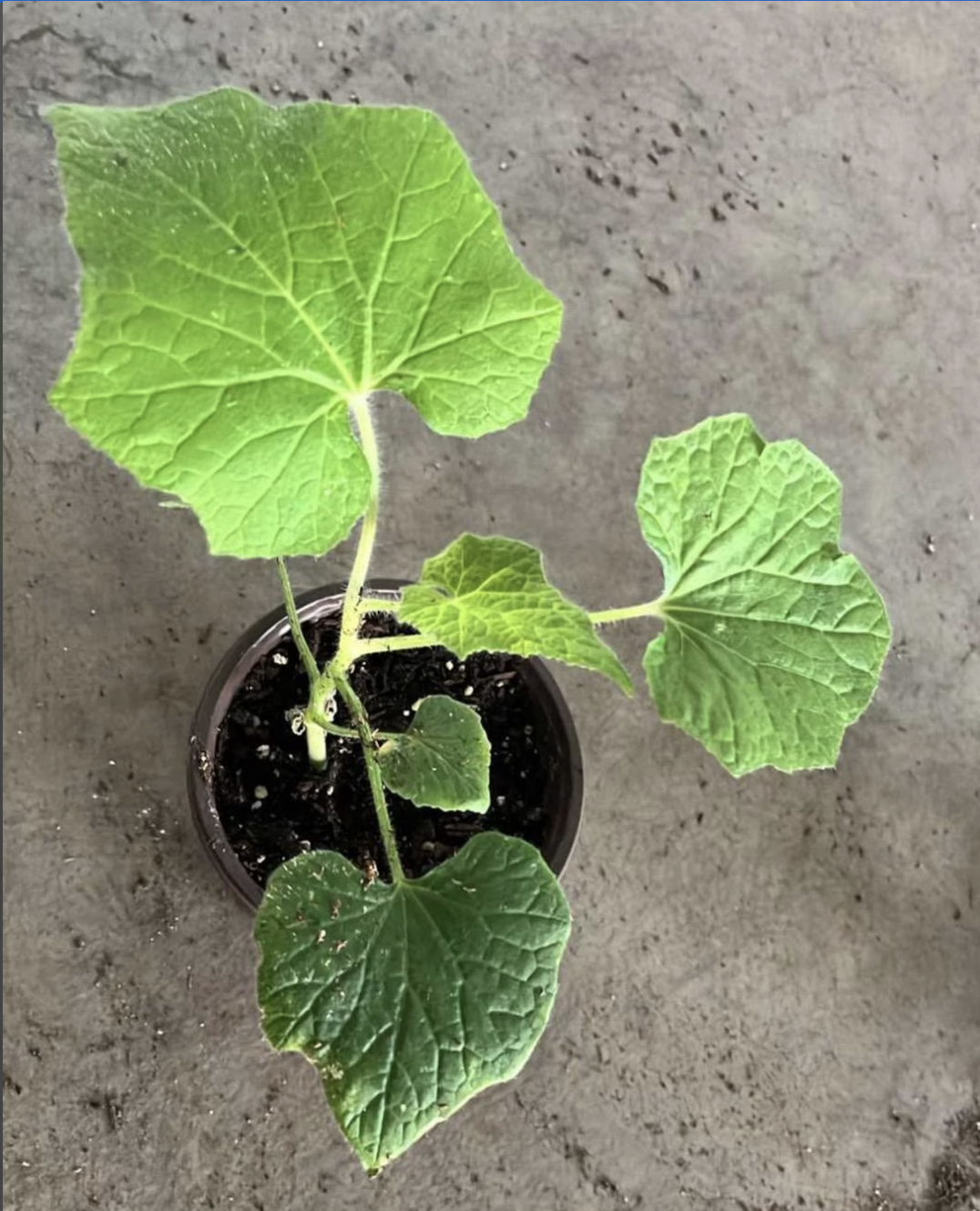
Bottle Gourd
Bottle Gourd (Lagenaria siceraria)
Bottle gourd, also known as calabash, lauki, sorakaya, or doodhi, is a fast-growing, vining plant from the Cucurbitaceae family, cultivated for its light green, smooth-skinned fruits. The fruit is usually bottle- or club-shaped, hence the name. Widely grown in tropical and subtropical regions, it is one of the oldest cultivated plants, valued both for its culinary and traditional medicinal uses.
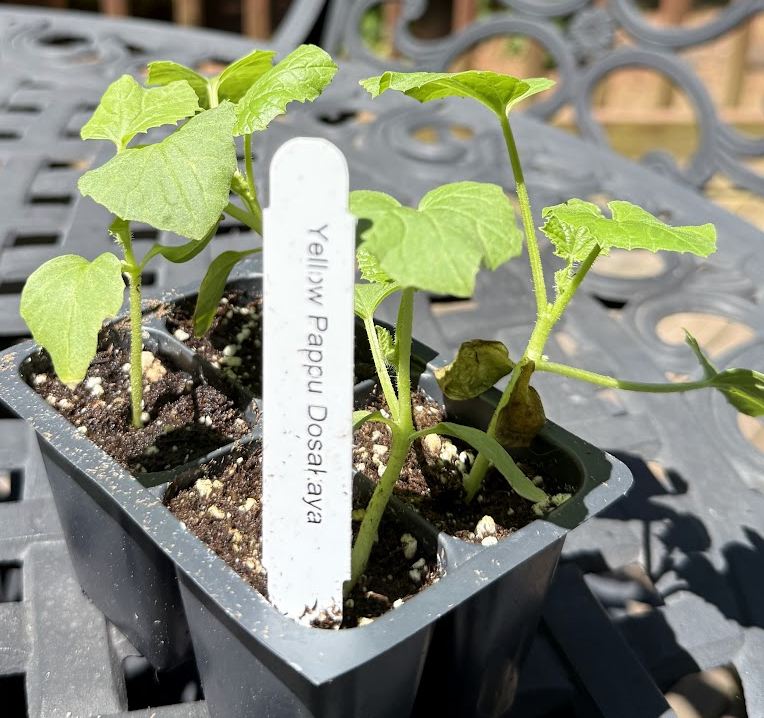
Yello Dosakay
Dosakaya (Indian Yellow Cucumber – Cucumis sativus var.) Dosakaya is a variety of Indian cucumber known for its bright yellow, round to oval fruits and crisp, tangy flavor. It is especially popular in South Indian cuisine, particularly in Telugu households, where it is used in dals, pickles, and curries. Unlike regular cucumbers, dosakaya has a firmer texture and a slightly sour taste that pairs well with spices.
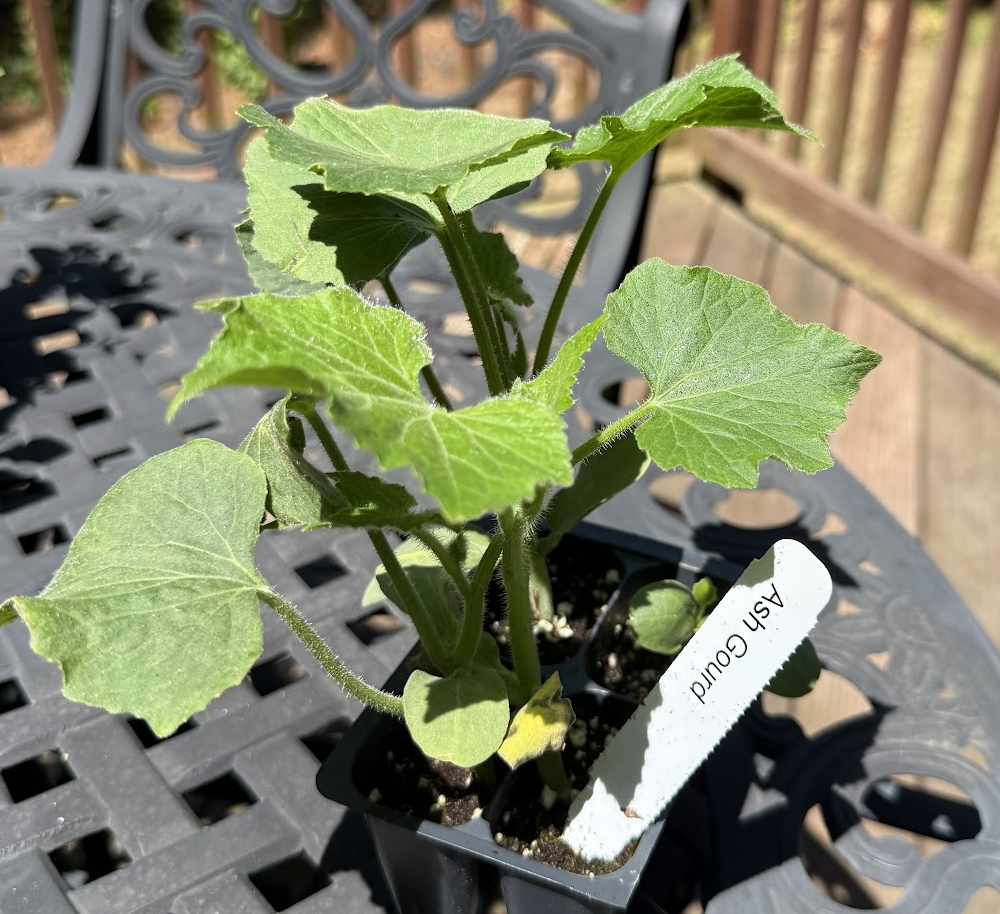
Ashgourd
Ash Gourd (Benincasa hispida) Ash gourd, also known as winter melon, white pumpkin, or "Boodida Gummadi Kaya" in Telugu, is a large, climbing vine plant from the Cucurbitaceae family. It produces large, oblong fruits covered with a white, waxy ash-like coating—hence the name “ash gourd.” Native to South and Southeast Asia, this plant is widely cultivated for its culinary, medicinal, and cultural value.
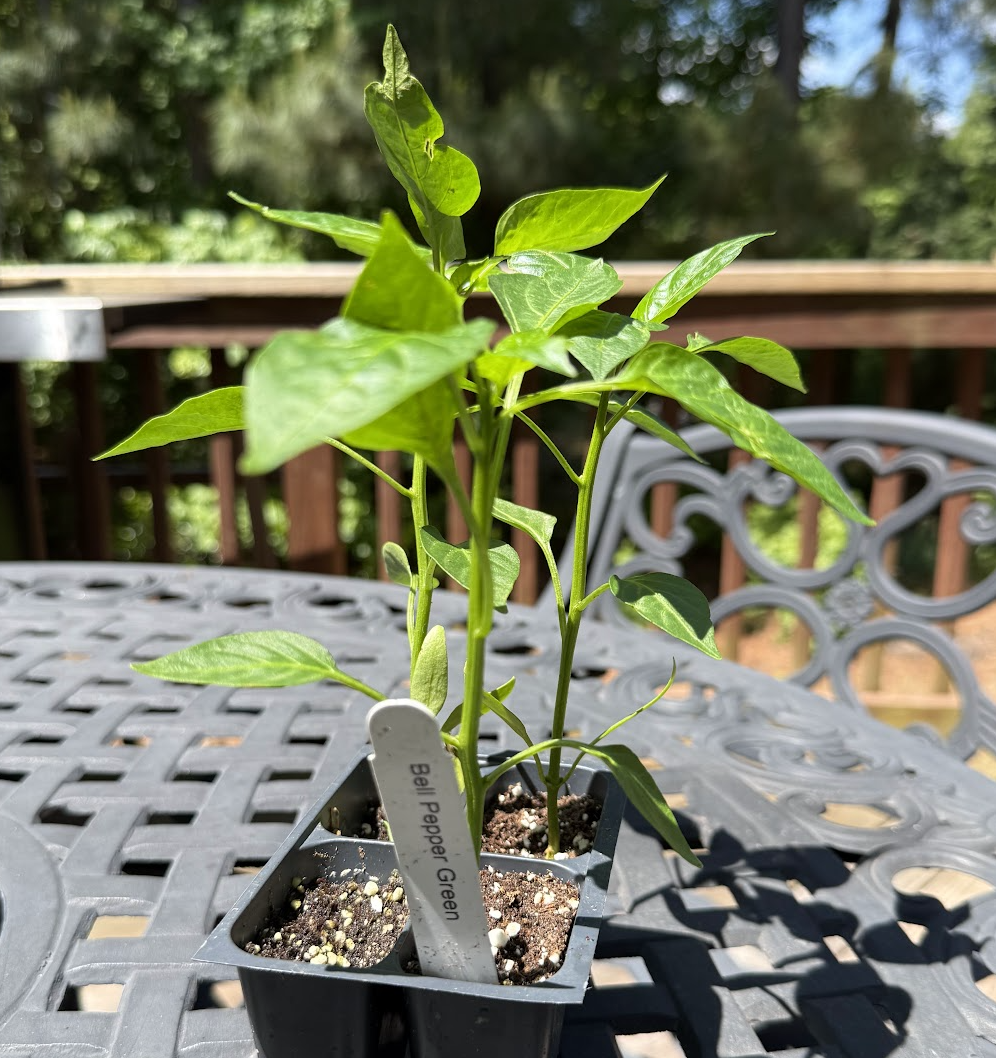
Green Bell Pepper
Green Bell Pepper (Capsicum annuum)
Green bell pepper, also known as capsicum , is a popular vegetable grown for its crisp texture, mild flavor, and vibrant color. It is a member of the Solanaceae (nightshade) family and is commonly used in global cuisines—raw in salads, roasted, stir-fried, stuffed, or cooked in curries and sauces.
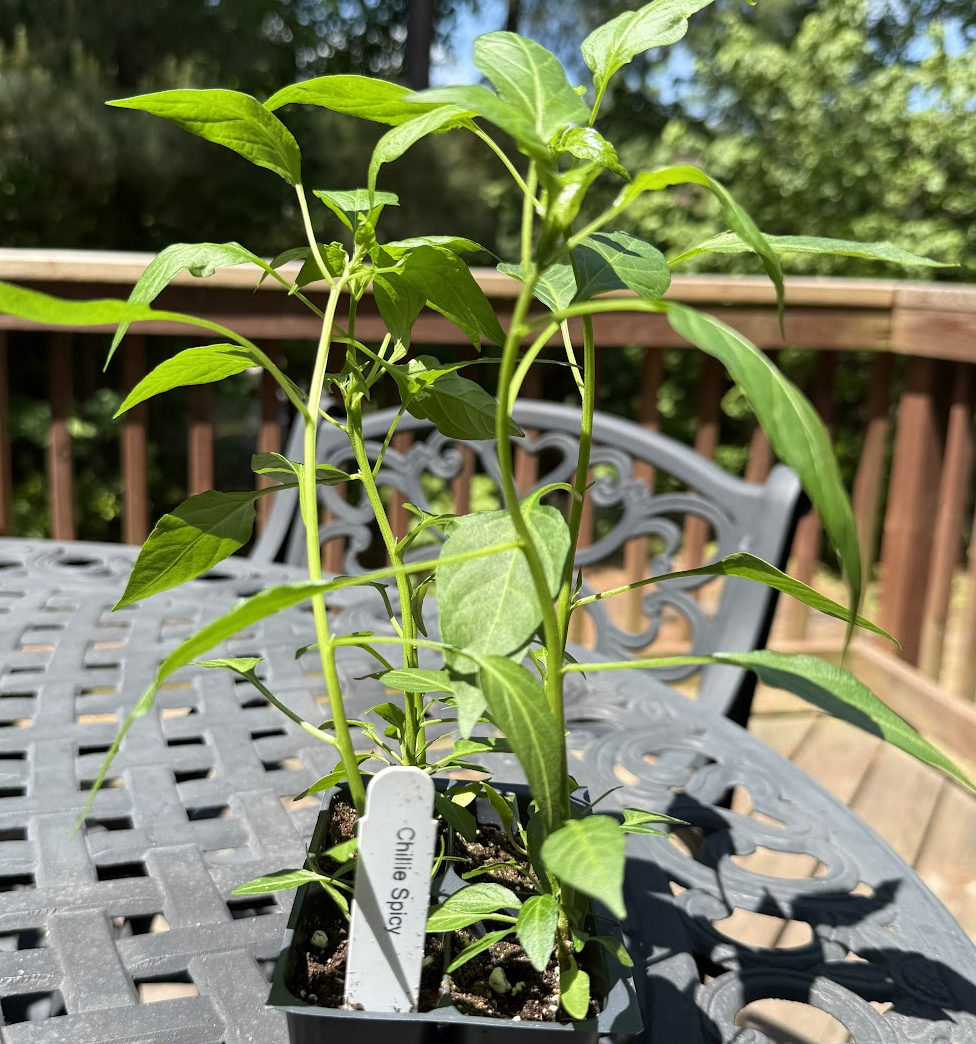
Spicy Indian Chilli
Spicy Indian Chilli (Capsicum annuum / Capsicum frutescens)
Indian chillies are a diverse group of heat-packed fruits from the Capsicum family, known for their intense spice, vibrant colors, and strong presence in Indian cuisine. These chilli plants range from small and fiery varieties like Bird’s Eye Chilli (Guntur chilli) to longer and moderately hot types like Byadgi and Kashmiri chillies. Each region in India has its own famous chilli cultivar, often prized for its flavor, aroma, and heat level.
Copyright © NC Local Gardners plants sale event. .